Bring Playful Energy to Your Projects with Random Story
When you need your text to do more than just communicate, when it needs to capture attention and convey a specific mood, your choice of typeface becomes a critical creative decision. Random Story is a straightforward display font built for exactly this purpose. It’s not trying to be a complex, multi-weight workhorse for body text. Its strength lies in its directness and the immediate personality it injects into a design. Think of it as a specialized tool in your creative toolkit, one you reach for when a project calls for a dose of fun, approachability, and standout character.
Understanding the Random Story Typeface
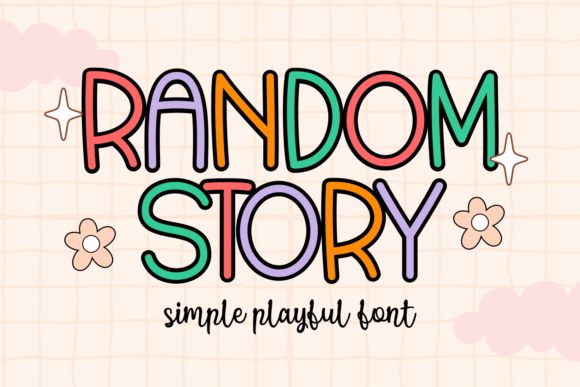
At its core, Random Story is a creative font with a distinct, playful personality. Its visual characteristics lean towards a clean, slightly rounded sans-serif structure, but with enough quirky details—a softened terminal here, a playful curve there—to set it apart from more rigid geometric fonts. It strikes a balance that is both modern and friendly, avoiding the coldness of some modern typography while steering clear of overly childish or whimsical script styles. This makes it surprisingly versatile for a display font.
The appeal of Random Story is in its readability at headline sizes combined with its inherent warmth. It doesn’t require the viewer to decipher letterforms; instead, it greets them with an open, energetic vibe. This makes it an excellent choice for projects where first impressions and emotional connection are paramount. Whether you're a designer crafting a brand identity, a marketer creating social media graphics, or a small business owner designing packaging, this font can serve as the vocal, charismatic centerpiece of your layout.
Where Random Story Truly Shines
Knowing where a font works best is half the battle. Random Story’s strengths are most evident in applications where it can headline and command attention without being overwhelmed by dense information.
- Branding & Logo Design: For brands targeting a younger, family-friendly, or creatively adventurous audience, Random Story can form the core of a memorable logo design. It works exceptionally well for boutique shops, creative studios, event planners, and lifestyle brands. Its personality helps in building a brand identity that feels accessible and full of character.
- Marketing & Advertising: In the fast-scrolling world of digital marketing, social media graphics and banner ads need to pop. Random Story’s distinctive style can stop the scroll, making it ideal for promotional headlines, sale announcements, and call-to-action text. It translates well to web design for hero sections or feature headings where you want to make a bold statement.
- Publishing & Editorial Design: Imagine the cover of a fun cookbook, a children’s activity book, or a lifestyle magazine. Random Story can bring that cover to life. In editorial design, it’s perfect for chapter titles, pull quotes, or section headers that need to inject energy into the page layout.
- Packaging & Product Design: On a shelf crowded with products, packaging design that uses a premium font like Random Story can communicate the product’s spirit instantly. It’s fantastic for artisanal food labels, cosmetic products for a youthful market, or any physical goods that want to project a fun, approachable image.
- Personal & Craft Projects: This is where the font’s fun factor really comes into play. For greeting cards, party invitations, poster art for a home office, or even custom merchandise, Random Story makes the creative process enjoyable and the result professional-looking. Its straightforward nature means it’s easy to use, even for those without extensive design experience.
Strategic Considerations for Using Random Story Effectively
Introducing any display font into a project requires a thoughtful approach to ensure it enhances rather than hinders your design goals. Here’s how to work with Random Story strategically.
Pairing for Balance: The golden rule of using a strong character font is to pair it with something more neutral. Random Story’s playful energy can become overwhelming if used for all text. For maximum impact and readability, combine it with a clean sans serif font for body copy or a simple serif font for a touch of classic contrast. This creates a clear visual hierarchy, where Random Story headlines grab attention and the paired font delivers the detailed information comfortably.
Evaluating Project Fit: Ask yourself: Does the tone of my project align with a friendly, energetic, and slightly playful aesthetic? Random Story is a fantastic match for a summer music festival poster but might feel out of place on a corporate legal document. It’s about aligning the font’s personality with your project’s message and your audience’s expectations. This alignment is key to strengthening brand perception and audience engagement.
Testing for Readability: Always test the font in context. While it’s designed for display, kerning (the space between specific letter pairs) and leading (line spacing) can still affect legibility, especially in longer headlines. View it at the intended size, on both a screen and in print if possible. Does it remain clear? Does it flow well? This step is non-negotiable for professional work.
Reviewing Your License: Before using Random Story in a commercial project—whether for a client, for sale, or for your own business—ensure you have the correct commercial font license. Understanding the terms of use for your design assets protects you legally and supports the type designers who create these tools. Reputable font foundries provide clear licensing information.
In the end, Random Story is more than just a collection of letters; it’s a tool for storytelling through design. Its straightforward, fun-loving nature makes it a valuable asset for anyone looking to add a spark of personality to their visual communications. By applying it thoughtfully—considering its pairings, context, and purpose—you can leverage its strengths to create projects that are not only seen but truly felt by your audience.